
Our services
Cargo insurance
A carrier’s standard liability rarely covers what the cargo is actually worth. Cargo insurance closes that gap.
All services
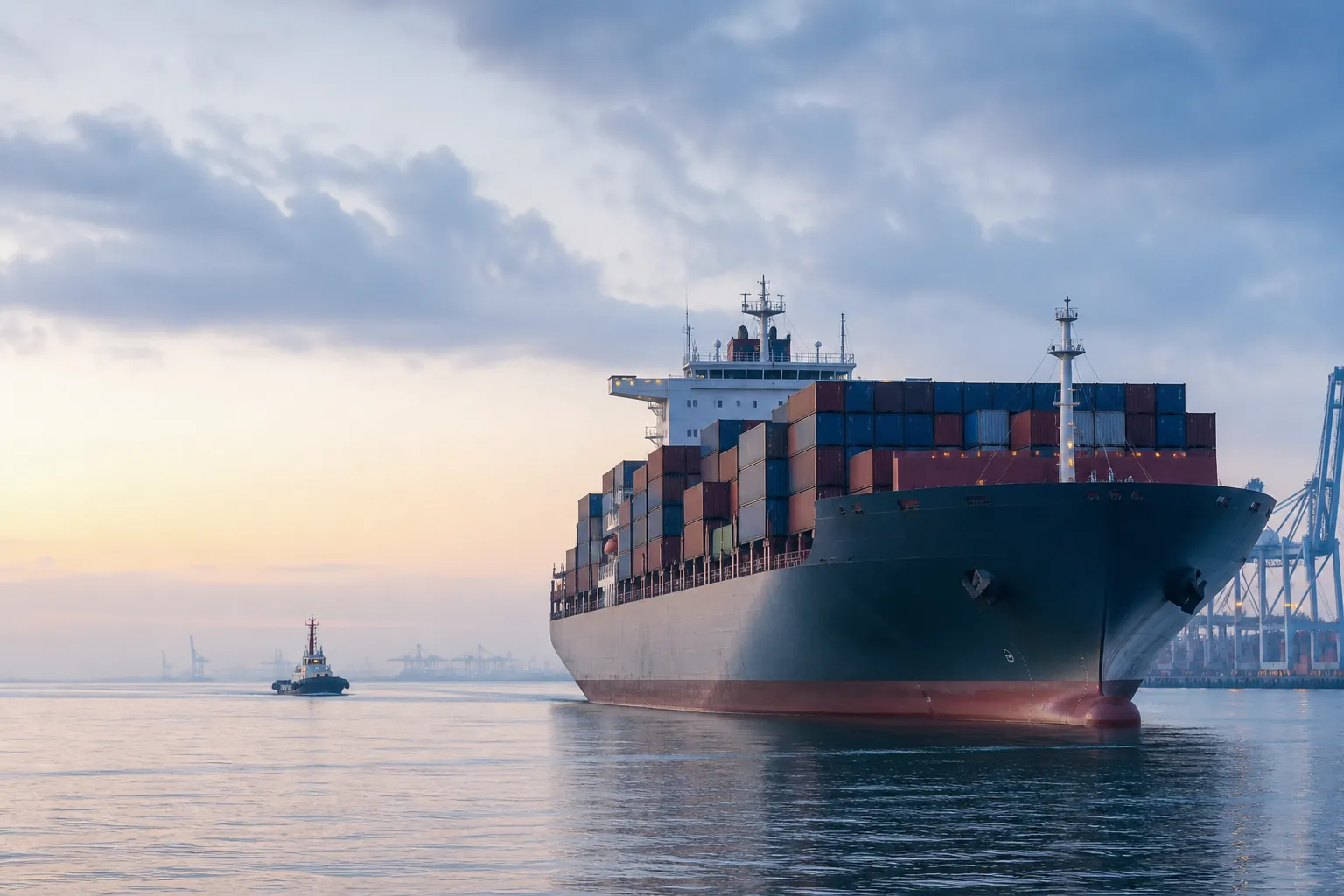
In international transport a carrier’s liability is capped by convention and is usually calculated per kilogram — which covers only a fraction of the loss on valuable cargo. A container of furniture, a pallet of electronics or a crate of machinery is worth far more than the per-kilo figure in the sea, air or CMR rules. Cargo insurance is based on the invoice value of the goods, so a payout matches the real loss rather than the carrier’s cap.
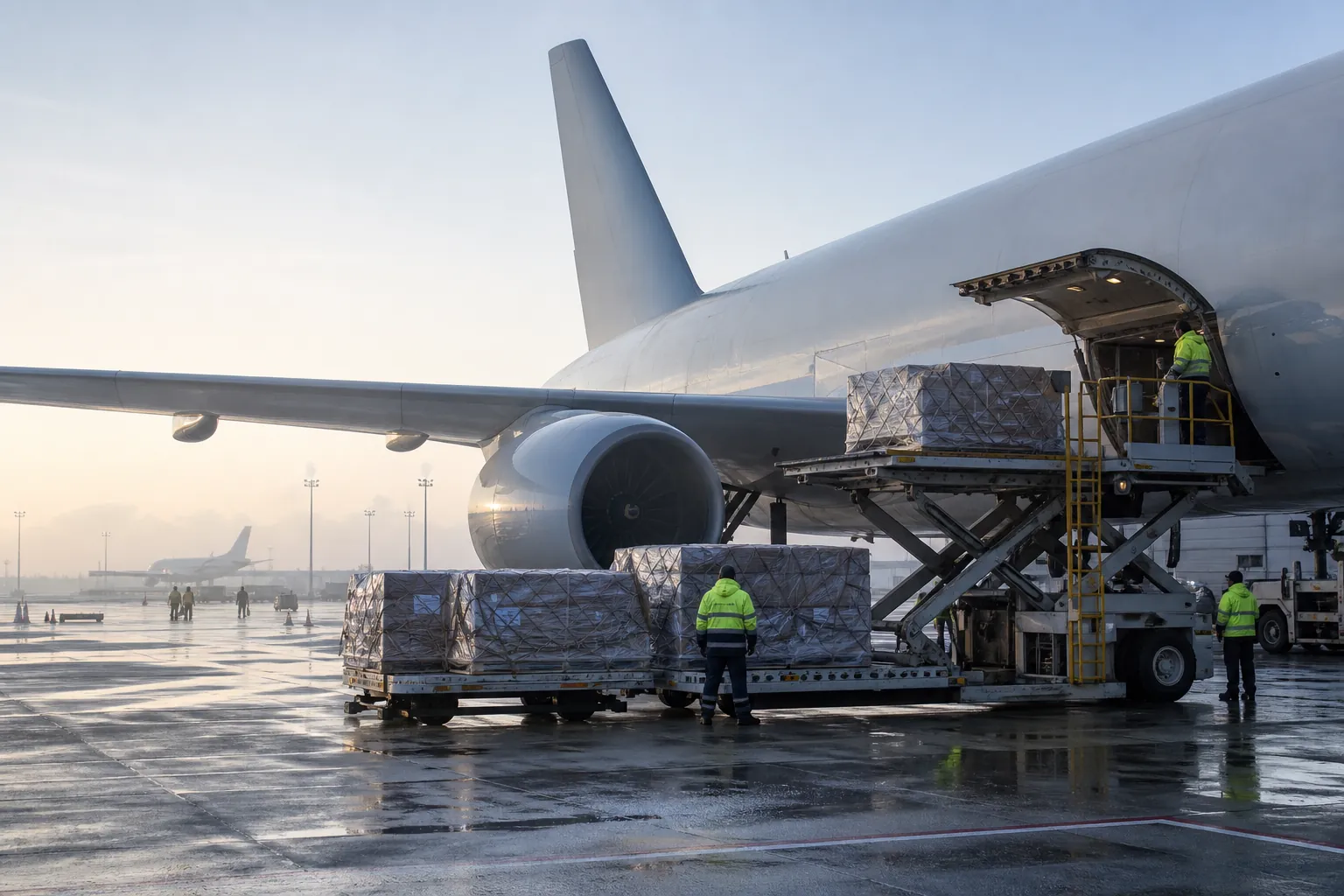
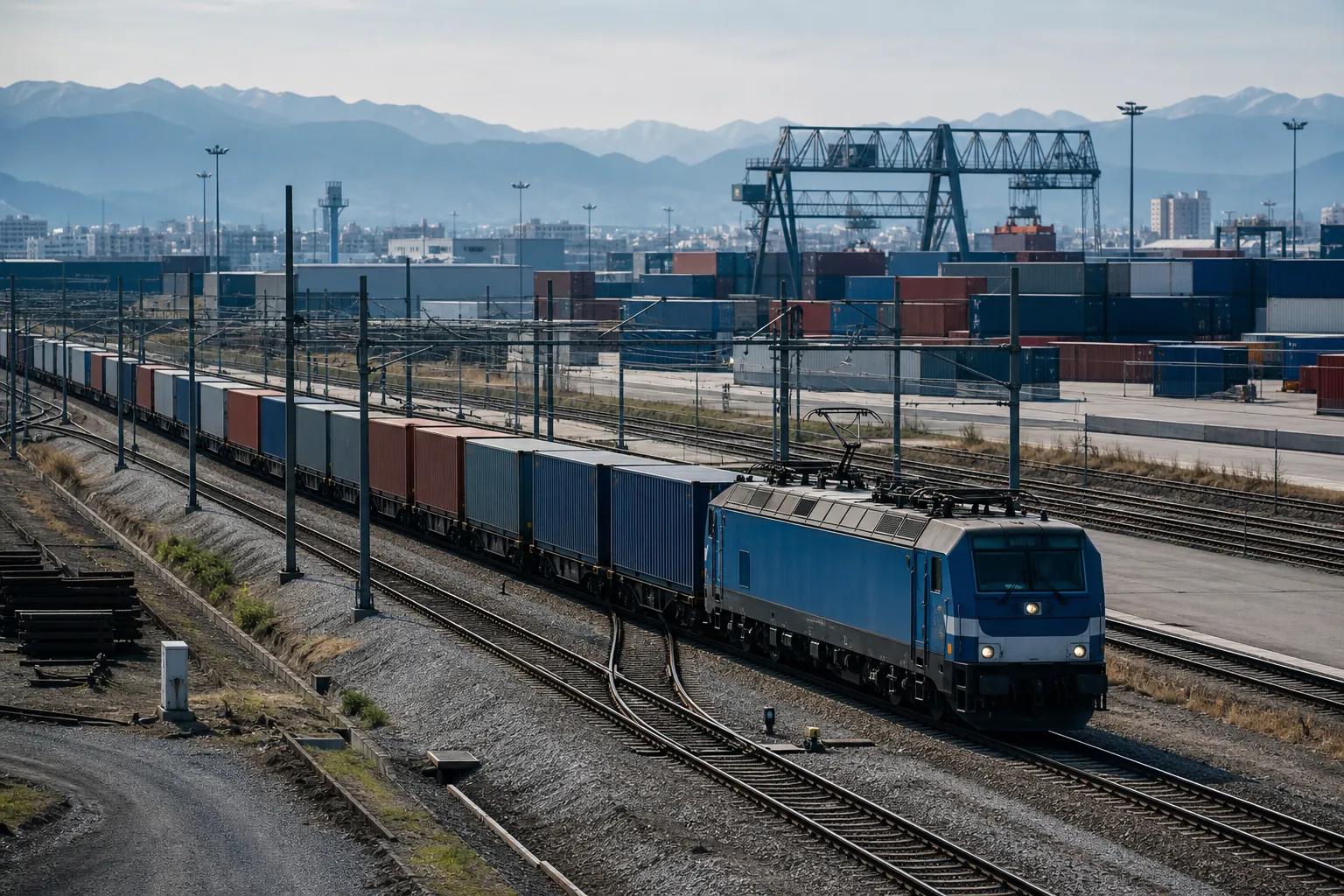
We arrange the policy before the cargo departs. Cover is door to door, not port to port, and it applies to sea, air, road and rail. The premium is 0.3–0.8% of the cargo value; the exact rate depends on the mode, the packing and the type of goods. All Risks is the product we recommend for most commercial cargo. An annual policy is the option when you ship regularly and do not want to issue a certificate on every consignment.
Insurance is voluntary. We recommend it on high-value and fragile cargo, and on sea more than on air, because the voyage is longer and the cargo is transhipped. The premium is under 1% of the value. Refusing cover to save that fraction is a decision; it should be a decision, not an oversight on the booking form.
What is not covered matters as much as what is. Damage caused by inadequate packing, loss arising from the nature of the goods themselves — ordinary leakage, spoilage, inherent vice — and items not listed on the invoice and packing list are excluded. We go through the terms before the policy is signed, including the deductible, so a claim is not the first time those sentences are read.
If something happens, gathering the documents and dealing with the insurer is our job. The usual set is the policy, the invoice, the packing list, the transport document, photographs, and a report from the carrier or the warehouse. Once the full set has been submitted, settlement is typically 15–30 business days. Incomplete files are what stretch that window; we assemble the papers so the process does not sit on your desk.
Special and high-value cargo — artwork, precision equipment, goods with a value that would make an ordinary All Risks rate look wrong — is quoted on bespoke terms, not forced onto a standard certificate. Temperature-controlled and dangerous goods need the insurer to accept the risk before the cargo moves; we do not load first and ask afterwards.
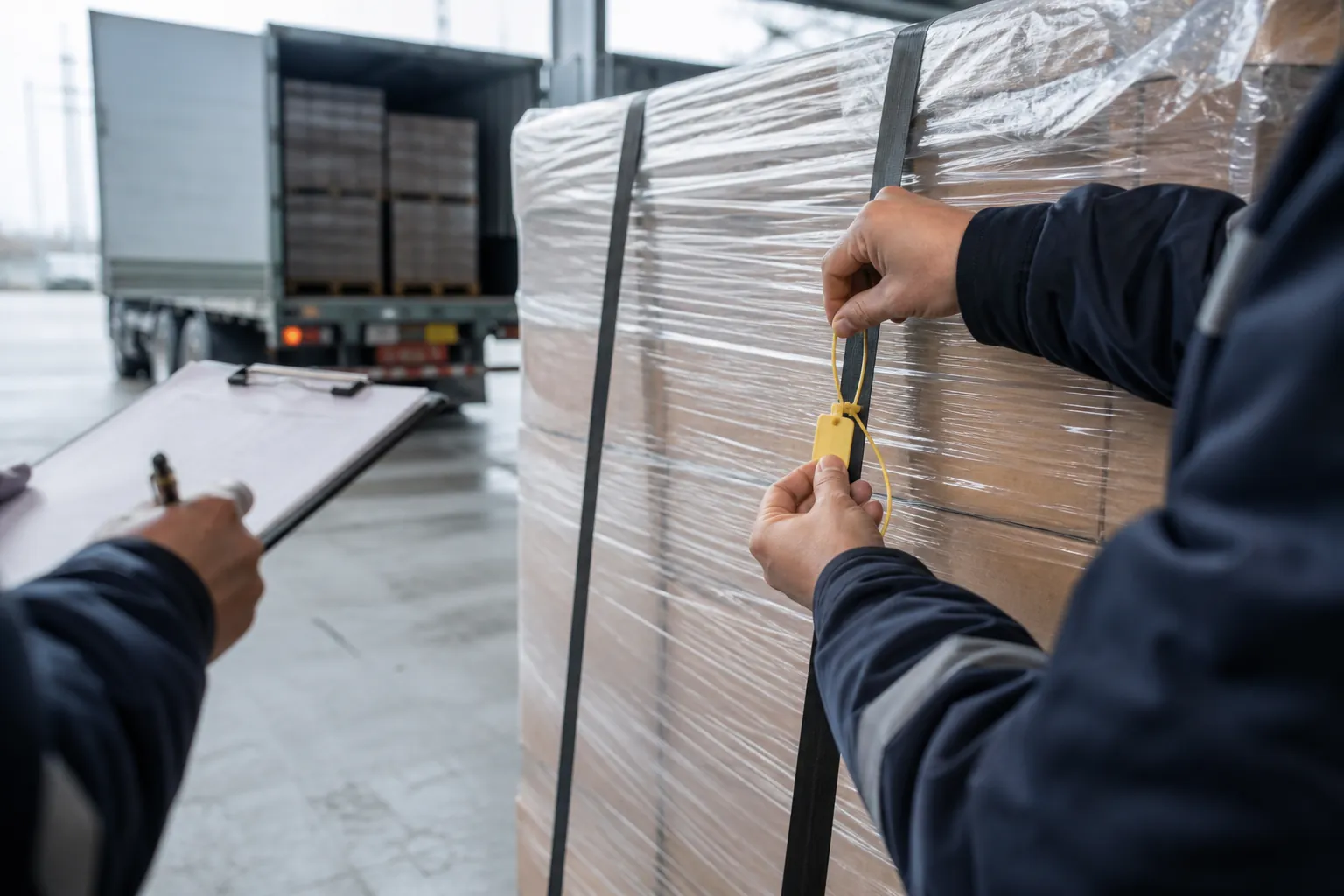
Insurance is not a substitute for packing, and it is not a substitute for the right mode. A crate that cannot survive a sea transhipment should be packed better or should fly. The policy pays for an insured event, not for a booking that was a bad idea. We will say so when the packing photographs from the origin warehouse show a problem, because that is cheaper than a claim.
Send the invoice value, the packing list and the mode. Risk assessment, the choice of insurer and the policy itself are included. Claims handling is included if there is a claim. An annual open cover and bespoke wording are priced when the ordinary certificate is the wrong tool.
The policy has to be in force before the cargo moves. A certificate issued after the vessel has sailed, or after the truck has crossed a border, is not cover for what already happened. We treat that as a hard rule, not as a paperwork nicety. If the booking is made in the afternoon and the cargo leaves in the morning, say so — we will not backdate a policy to make the file look tidy.
A usable insurance instruction is the invoice value, a packing list that matches it, the mode, the packing method, and any fact that changes the risk: used machinery, wooden crates, a transhipment, a temperature range. Under-declaring the value to save premium is how a claim is paid on the declared figure, not on what the cargo was actually worth. We would rather quote 0.8% on the real number than 0.3% on a fiction.
Claims fail on missing papers and on exclusions that were in the wording from the start. Inadequate packing is the exclusion we see most on sea and road. That is why origin warehouse photographs matter: they are evidence, and they are also a chance to stop a bad crate before it is loaded. If the photos show a problem, we say so before the policy is asked to do work it was never going to do.
What the service includes
- Risk assessment
- Choosing the insurer
- Arranging the policy
- Collecting documents in the event of a claim
- Handling correspondence with the insurer
Available on request
- All Risks cover
- Annual policy for regular shipments
- Bespoke terms for special and high-value cargo
At a glance
- Premium
- 0.3–0.8% of cargo value
- Cover
- Door to door
- Arranged
- Before loading
Questions about this service
Is insurance compulsory?
No, it is voluntary. We do recommend it for valuable or fragile cargo — the premium is under 1% of the value.
What is not covered?
Damage caused by inadequate packing, loss arising from the nature of the goods themselves, and items not listed in the documents are excluded. We go through the terms together before the policy is signed.
When is a claim paid?
Once the full set of documents has been submitted it usually takes 15–30 business days. We help assemble the paperwork so the process does not drag.

Get a quote for this service
Tell us the route, the volume and the type of cargo — we will price it and come back within one business day.